
Choosing Your First Preserved Rose Dome
Learn what to look for when selecting a preserved rose gift. Size, rose quality, dome clarity, and base design all matter.
Read MoreHow roses stay vibrant for years under glass — the science and techniques that make it possible
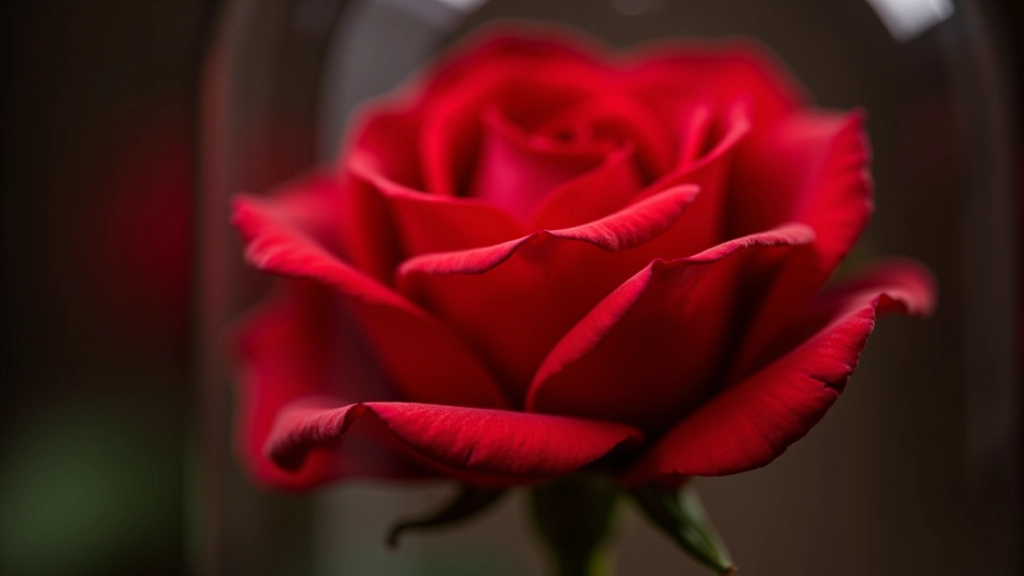
Preserved roses aren't magic — they're science. When you buy a rose dome, you're holding something that's undergone a specific chemical process to lock in color, texture, and beauty. We'll walk you through exactly how it works, what makes the difference between mediocre preservation and stunning results, and why some roses stay vibrant for years while others fade.
The thing is, most people don't realize preserved roses are fundamentally different from fresh roses. They're not dried. They're not artificial. They're real roses that have been transformed through preservation — and understanding that process helps you appreciate what you're getting when you choose a glass dome display.
Most quality preserved roses start with glycerin infusion. Here's what happens: fresh roses are cut at their peak bloom, then placed in a special solution where water is gradually replaced with glycerin. This process takes about two to three weeks.
Glycerin serves a crucial purpose. It's a humectant — meaning it attracts and holds moisture. When glycerin replaces the water in the rose's cells, it creates a preservation that keeps petals supple and prevents the brittleness you'd get from simple air-drying. The rose doesn't just dry out into a papery shell. Instead, it maintains flexibility and a natural appearance.
The color you see in a preserved rose comes next. After glycerin infusion, roses are treated with food-grade dyes that bond to the glycerin-saturated petals. This is why preserved roses can stay vivid red, soft pink, or deep burgundy for years without fading like fresh flowers would under light.
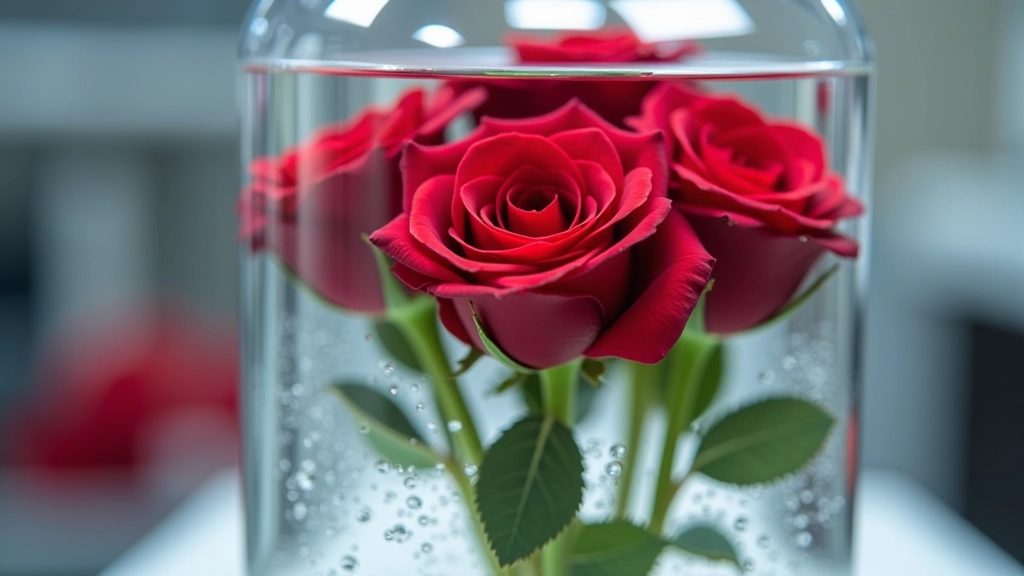
Glycerin isn't just a preservation agent — it's what keeps preserved roses looking fresh years later. Without it, you'd have dried roses that feel crispy and look dull. With it, you get roses that feel almost like fresh ones, with vibrant color and natural texture.
The glass dome isn't just decorative — it's essential to preservation. Once a rose is treated and sealed under glass, it's protected from the biggest threats to longevity: humidity fluctuations, dust, and direct sunlight.
High humidity can cause mold or fungal growth on preserved flowers. Too-dry conditions can pull moisture from the glycerin. The sealed dome creates a stable microclimate. The rose sits in consistent conditions year after year, which is why dome roses last so much longer than open displays.
Quality domes use UV-filtering glass or acrylic. This blocks the ultraviolet light that fades colors over time. You've probably seen fresh roses fade to pale pink after weeks in a window. A preserved rose under UV-filtered glass? It'll look nearly identical after two years. Some people report their dome roses looking virtually unchanged after five years.
Lifespan: 3-5+ years
Appearance: Natural, vibrant color, soft texture
Cost: Premium (higher quality)
Lifespan: 1-2 years
Appearance: Faded colors, brittle texture
Cost: Budget-friendly
Lifespan: 2-3 years
Appearance: Good color retention, papery feel
Cost: Mid-range
Once a rose is glycerin-treated and dyed, the work isn't finished. Quality manufacturers add a final protective coating — typically a clear sealant that locks everything in place. This coating prevents the glycerin from evaporating and protects against minor damage.
The rose is then arranged (either individually or in clusters), positioned in the dome with a base, and sealed. The base matters too. A solid, stable base prevents the dome from tipping. LED bases add another layer — the warm light makes the rose look even more luxurious and helps preserve color by reducing exposure to harsh natural light.
Don't touch the petals unnecessarily. We know it's tempting — they look so soft — but preserved roses are more delicate than they appear. A light touch is fine. Rough handling can crack petals or disturb the arrangement. Keep the dome away from direct sunlight (ironically, even though UV filtering helps, intense light over months can still fade color). Room temperature is ideal. Avoid heating vents, AC units, and high-humidity bathrooms.
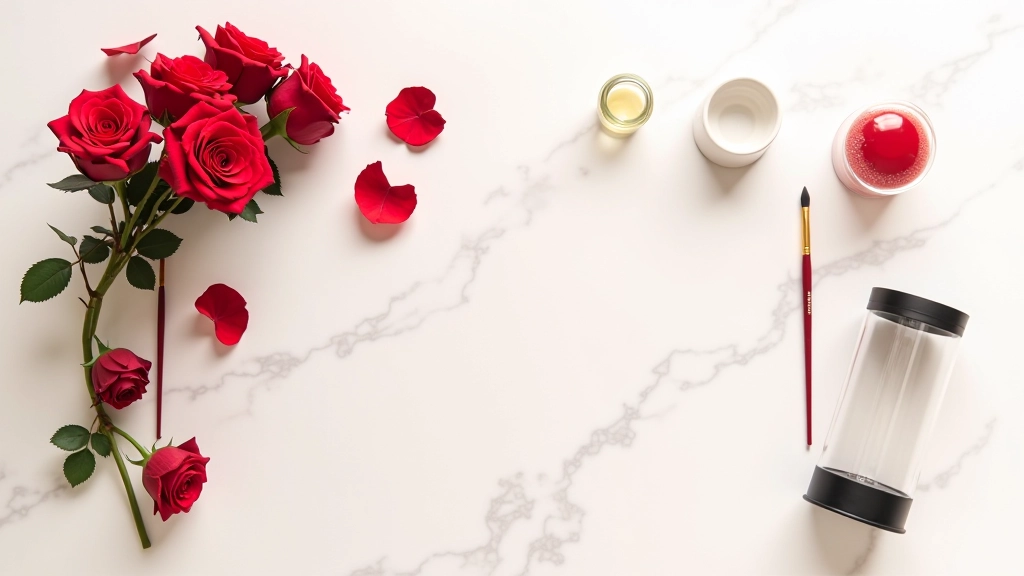
Preserved roses are a legitimate alternative to fresh flowers — not a cheap imitation. The glycerin infusion process, when done properly, creates something that lasts years while maintaining beauty and texture. The glass dome protects that investment and ensures consistent conditions.
When you're choosing a preserved rose dome, you're really choosing based on how well the preservation was executed. A quality preserved rose will stay vibrant, soft, and beautiful for three to five years or longer. A poorly preserved one might fade or deteriorate within months. That's why understanding the process matters — it helps you spot the difference between a genuine, well-made dome and something that won't hold up.
This article provides educational information about rose preservation techniques and methods. Specific longevity, color retention, and durability depend on manufacturing quality, storage conditions, and individual product variations. Always follow care instructions provided with your specific preserved rose dome for best results. Information current as of July 2026.

Editorial Team
Written by the fundaxis editorial team, focused on honest guidance about preserved rose gifts and glass dome displays. We research preservation techniques, quality standards, and care practices to help you understand what you're buying.
Learn more about choosing and caring for preserved rose domes
Learn what to look for when selecting a preserved rose gift. Size, rose quality, dome clarity, and base design all matter.
Read More
Preserved roses last years with minimal care. We cover dusting, humidity control, lighting, and storage best practices.
Read More
From anniversaries to birthdays, discover which rose arrangements and colors work best for different gift-giving moments.
Read More